
Who the Lead Plaintiff Is and Why the Role Exists
When alleged securities fraud hits, the audience doesn’t get left heckling in the dark—they get a lead. That's where the story of a lead plaintiff starts.

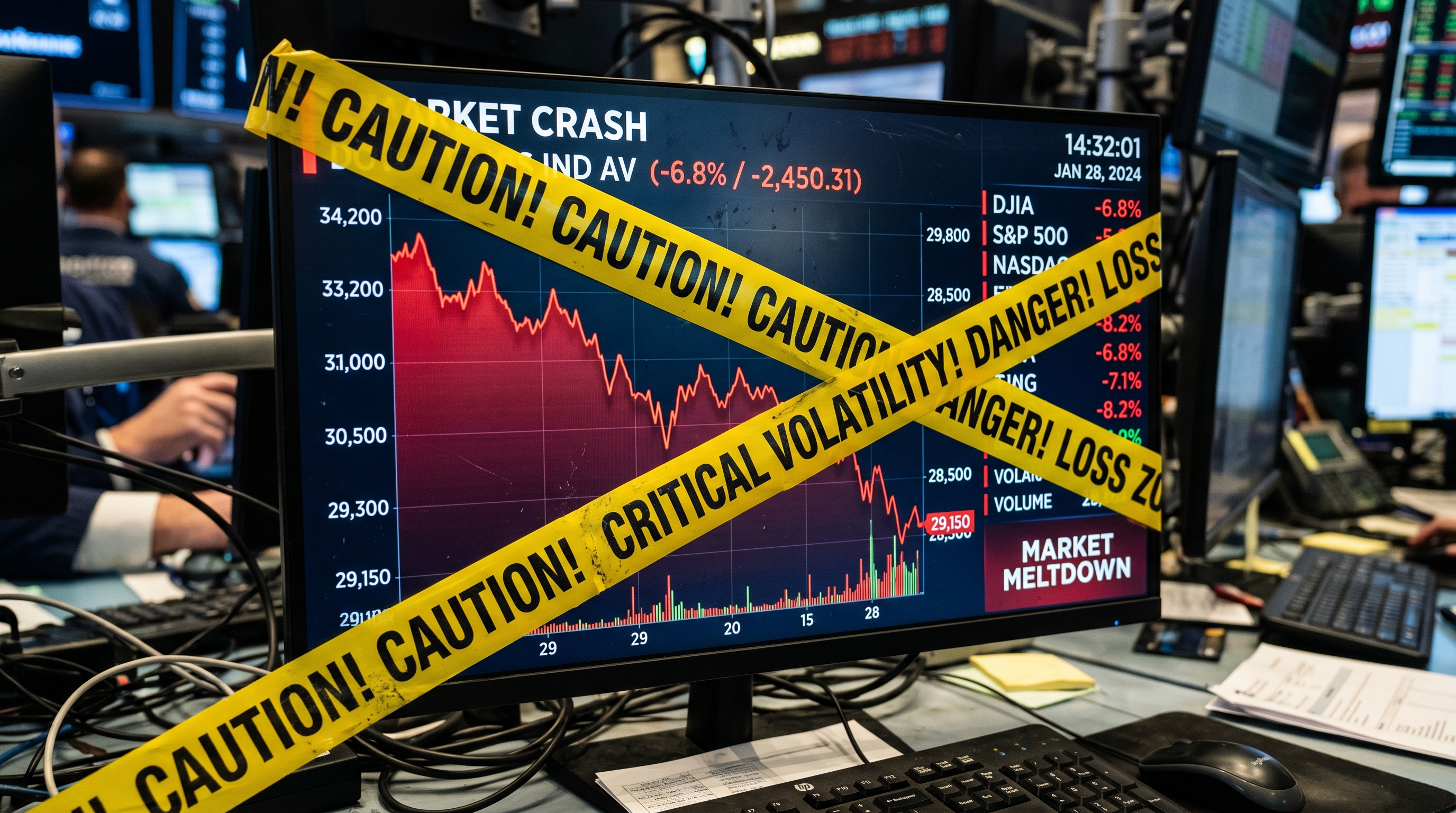
Understand what an SEC investigation means for investors, how the process works, common triggers, possible outcomes, and the key developments shareholders should monitor when a company is under regulatory scrutiny.
When investors learn that a company in their portfolio is under SEC investigation, the news can feel urgent. But an SEC investigation is not a verdict. It is a confidential inquiry into whether potential violations of the federal securities laws may have occurred. Investigations can range from routine compliance reviews to serious fraud inquiries. A study of SEC investigations closed between 2000 and 2017 found that the SEC closed 12,861 formal investigations during that period, while companies initially disclosed only 19% of those investigations. That means investors may not always learn about regulatory scrutiny unless a company discloses it, the SEC later files a public enforcement action, or the matter otherwise becomes public.
Understanding what investigations actually signal can help investors evaluate public information more carefully.
An SEC investigation is a confidential inquiry into potential violations of federal securities laws. These investigations examine matters like insider trading, accounting fraud, or misleading disclosures. They may begin as informal inquiries before potentially escalating into a formal investigation with subpoena authority. Importantly, the opening of an SEC investigation, the issuance of a subpoena, or the issuance of a Formal Order of Investigation is not a finding that any securities law violation occurred.
An investigation doesn’t mean a company broke the law. It means SEC staff is examining whether potential securities-law violations may have occurred. Of the 12,861 investigations closed between 2000 and 2017, many were not initially disclosed, and the study found that only 44% were disclosed by the conclusion of the investigation. Some investigations close without enforcement action, while others may result in settlements, civil enforcement actions, administrative proceedings, or referrals to criminal authorities. If the SEC issues a Formal Order of Investigation, staff may obtain subpoena authority to compel testimony and documents. A Formal Order is an investigative tool, not a finding of wrongdoing.
The SEC pursues civil enforcement actions seeking monetary penalties, disgorgement of ill-gotten gains, and injunctions against future violations. A minority of SEC matters may involve parallel criminal proceedings or referrals to criminal authorities. Most SEC enforcement matters remain civil or administrative proceedings, where potential consequences may include financial penalties, disgorgement, injunctions, officer-and-director bars, industry bars, or compliance undertakings. In some matters, SEC civil investigations may proceed alongside criminal investigations, subject to applicable legal limits and procedural safeguards. For shareholders, that distinction matters. A civil SEC enforcement action may result in financial penalties, disgorgement, injunctive relief, compliance obligations, or officer-and-director bars. A criminal case may involve charges, convictions, fines, probation, or imprisonment. Those consequences can create different levels of legal, financial, and market risk for shareholders.
The SEC may investigate companies when it receives information suggesting possible violations of the federal securities laws. Common sources include whistleblower tips, investor complaints, referrals from other regulators, unusual trading patterns, public filings, market surveillance, or media reports.
Common triggers can include insider trading, market manipulation, false or misleading financial statements, weak internal controls, revenue-recognition issues, undisclosed related-party transactions, or misleading statements about business performance, products, customers, or risks.
In fiscal year 2025, the SEC reported receiving a record 53,753 tips, complaints, and referrals. The SEC’s whistleblower program may also encourage reporting by allowing eligible whistleblowers to receive awards of 10% to 30% of money collected when original information leads to a successful SEC enforcement action with more than $1 million in sanctions ordered.
Companies that self-report, cooperate, and remediate may receive credit in SEC enforcement decisions, depending on the facts. In one SEC order involving Portland General Electric, the SEC imposed no civil penalty after considering the company’s cooperation and remedial measures. That example does not mean cooperation eliminates enforcement risk, but it illustrates how self-reporting, cooperation, and remediation may affect regulatory outcomes.
Investors reviewing a company under regulatory scrutiny should focus on official filings and public source documents rather than promotional claims, rumors, or social-media commentary.
Investors can identify investigated stocks using official resources, though only disclosed investigations and filed enforcement actions are visible. The SEC doesn't maintain a public database listing every company under scrutiny. Use SEC EDGAR Full Text Search to query company names or tickers combined with keywords like "investigation," "subpoena," or "Wells notice" in 8-K, 10-K, and 10-Q filings. The SEC’s Litigation Releases page lists federal court enforcement actions with dates, respondent names, and linked complaints. However, because SEC investigations are generally conducted privately, only matters that companies disclose, the SEC publicly files, or another public source reveals will appear in these resources. A lack of public search results does not necessarily mean no investigation exists. No comprehensive public database tracks all ongoing probes.
The SEC investigation process begins with intake from tips, surveillance, filings, complaints, referrals, or other sources of information. Staff may gather information informally before determining whether further investigation is warranted. If warranted, a Formal Order of Investigation grants subpoena power for compelled testimony and documents. Staff conduct document review, sworn testimony, and data analytics. SEC staff may review documents, testimony, trading records, public filings, and other information as part of an investigation. Academic research on closed SEC investigations has found that investigations can last for multiple years. The process generally remains nonpublic unless and until the company discloses the matter, the SEC files a public enforcement action, or the matter otherwise becomes public. Near the investigation's end, staff may issue Wells notices. A Wells notice is a communication stating that SEC staff has made a preliminary determination to recommend an enforcement action. It gives the recipient an opportunity to respond before the Commission decides whether to authorize civil or administrative proceedings. A Wells notice is not a finding of liability and does not guarantee that charges will be filed.
SEC investigations can end in different ways. Some close without enforcement action. Others may result in settlements, civil enforcement actions, administrative proceedings, cease-and-desist orders, disgorgement, civil penalties, officer-and-director bars, industry bars, remedial undertakings, or referrals to criminal authorities.
Many SEC settlements are resolved without the company or individual admitting or denying the SEC’s findings. In other matters, the SEC may file a civil enforcement action in federal court or bring an administrative proceeding. If criminal conduct is suspected, a separate criminal investigation or prosecution may also occur.
In fiscal year 2025, the SEC filed 456 enforcement actions, obtained orders for $17.9 billion in monetary relief, and returned approximately $262 million to harmed investors. Those figures reflect overall enforcement activity and do not predict the outcome of any particular investigation.
For investors, the key point is that an investigation can lead to a range of outcomes. The seriousness of the matter depends on the alleged conduct, available evidence, company cooperation, remediation, procedural posture, and any final order, settlement, or court judgment.
When an SEC investigation becomes public, shareholders may see increased volatility or uncertainty around the company’s stock. The impact can vary depending on the issue disclosed, the stage of the investigation, whether senior executives are involved, and whether the matter concerns accounting, disclosure, or internal controls. Investors should remember that an SEC investigation is not a finding of wrongdoing, and SEC investigations are generally conducted privately unless the company discloses the matter, the SEC files a public action, or the matter otherwise becomes public.
Shareholders may want to monitor company filings and public SEC resources for subpoenas, Wells notices, restatements, auditor changes, internal-control disclosures, management departures, shareholder lawsuits, trading suspensions, SEC Litigation Releases, administrative proceedings, or SEC distribution processes. If an investigation or enforcement action reveals potential misstatements or omissions, harmed investors may have potential recovery options depending on the facts, including securities class actions, SEC Fair Funds or disgorgement distributions, FINRA arbitration, or individual civil claims.
SEC investigations can be important for shareholders, but they should be evaluated carefully. An investigation is not a finding of wrongdoing, a Wells notice is not a finding of liability, and some matters close without public enforcement action.
Investors should focus on primary sources, including company SEC filings, SEC Litigation Releases, administrative orders, court filings, and official company disclosures. Important follow-on developments may include restatements, auditor changes, internal-control issues, management departures, Wells notices, filed enforcement actions, trading suspensions, shareholder lawsuits, or SEC Fair Fund distributions.
The key point is balance. Regulatory scrutiny can signal meaningful risk, but investigation does not equal liability. Investors should avoid reacting solely to headlines, document relevant transactions, monitor official sources, and consult qualified professionals before making investment or legal decisions.
Disclaimer: Attorney Advertising. This article is for general informational and educational purposes only and does not constitute legal, financial, investment, or tax advice. Reading this article or submitting information through this website does not create an attorney-client relationship. No outcome or recovery is guaranteed. Readers should conduct their own research and consult with qualified professionals before making any investment decisions or taking legal action.
When alleged securities fraud hits, the audience doesn’t get left heckling in the dark—they get a lead. That's where the story of a lead plaintiff starts.

A class action settlement is a court-approved agreement in a securities case that resolves claims of alleged fraud by creating a fund to compensate eligible investors. Read more.

Understanding how settlement calculators estimate securities class action recovery amounts.